
Make Twice the Impact Right Now
Make Twice the Impact Right Now
Our Double the Hope Match Challenge is underway, but not for long. From now until Oct. 23, your gift can have double the impact on advancing research and brain health discoveries, as well as helping to provide care and support to those impacted by Alzheimer’s disease.
Donate NowHuntington's Disease
Huntington's disease (HD) is a progressive brain disorder caused by a defective gene. This disease causes changes in the central area of the brain, which affect movement, mood and thinking skills.
About Huntington's disease
 Huntington's disease is a progressive brain disorder caused by a single defective gene on chromosome 4 — one of the 23 human chromosomes that carry a person’s entire genetic code.
This defect is "dominant," meaning that anyone who inherits it from a parent with Huntington's will eventually develop the disease. The disorder is named for George Huntington, M.D., the physician who first described it in the late 1800s.
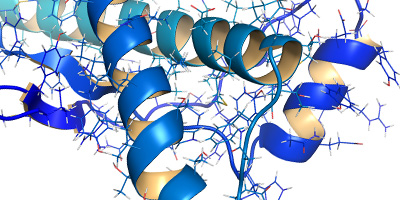
The defective gene codes the blueprint for a protein called huntingtin. This protein's normal function isn't yet known, but it's called "huntingtin" because scientists identified its defective form as the cause of Huntington's disease. Defective huntingtin protein leads to brain changes that cause abnormal involuntary movements, a severe decline in thinking and reasoning skills, and irritability, depression and other mood changes.
Symptoms
Symptoms of Huntington's disease usually develop between ages 30 and 50, but they can appear as early as age 2 or as late as 80. The hallmark symptom of Huntington's disease is uncontrolled movement of the arms, legs, head, face and upper body. Huntington's disease also causes a decline in thinking and reasoning skills, including memory, concentration, judgment, and ability to plan and organize.
Huntington's disease brain changes lead to alterations in mood, especially depression, anxiety, and uncharacteristic anger and irritability. Another common symptom is obsessive-compulsive behavior, leading a person to repeat the same question or activity over and over.
Diagnosis
Scientists identified the defective gene that causes Huntington's disease in 1993. A diagnostic genetic test is now available. The test can confirm that the defective gene for huntingtin protein is the cause of symptoms in people with suspected Huntington's disease and can detect the defective gene in people who don't yet have symptoms but are at risk because a parent has Huntington's.
Experts strongly recommend professional genetic counseling both before and after genetic testing for Huntington's disease.
Causes and risks
The defective gene identified in 1993 causes virtually all Huntington’s disease.
The huntingtin gene defect involves extra repeats of one specific chemical code in one small section of chromosome 4. The normal huntingtin gene includes 17 to 20 repetitions of this code among its total of more than 3,100 codes. The defect that causes Huntington's disease includes 40 or more repeats. Genetic tests for Huntington's disease measure the number of repeats present in an individual's huntingtin protein gene.
Scientists don't yet understand the normal function of huntingtin protein or how a few dozen extra repeats in its genetic blueprint lead to the devastating symptoms of Huntington's disease. Researchers are eager to solve these mysteries to find the answer to Huntington's. These solutions also may offer important insights into a wide range of other brain disorders, including Alzheimer's, Parkinson's disease and amyotrophic lateral sclerosis (ALS). Sign up for our e-news to receive updates about Alzheimer’s and dementia care and research.
Treatment and outcomes
There is currently no cure for Huntington's disease and no way to slow or stop the brain changes it causes. Treatments focus on managing symptoms. A group of international experts recommended the following treatments as first-line strategies for three of the disease's most troubling symptoms:
- Chorea (involuntary movements): Some experts believe beginning treatment with an atypical antipsychotic drug, such as olanzapine, is best. Others start with another type of drug recently approved by the U.S. Food and Drug Administration (FDA) specifically for Huntington's, called tetrabenazine.
- Irritability: For severe anger and threatening behavior, experts agree that an atypical antipsychotic drug is the preferred approach. For less severe, nonthreatening irritability, experts recommend first trying a selective serotonin reuptake inhibitor (SSRI), which is a type of antidepressant.
- Obsessive-compulsive thoughts and actions: Experts also recommend SSRIs as the standard treatment for these symptoms.
Other Huntington's symptoms, such as anxiety, depression and insomnia, also should be treated according to generally accepted guidelines. Experts encourage people with Huntington's to keep all their medical appointments and not to get discouraged if it takes their health care team some time to find the best drugs and the most effective doses.
Help is available
Huntington's Disease Society of America (HDSA) provides information, services and advocacy for people with Huntington's disease and their families. They also have referrals to genetic testing centers. Call HDSA at 800.345.4372.
The Alzheimer's Association can help you learn more about Alzheimer's disease and other dementias, and help you find local support services. Call our 24/7 Helpline at 800.272.3900.
The National Human Genome Research Institute provides information about genetics and Huntington's disease.
Related Pages



The Alzheimer’s Association is in your community.
Find Your Local Chapter
Learn how Alzheimer’s disease affects the brain.
Take the Brain Tour