
U.S. POINTER is a clinical trial to evaluate whether lifestyle interventions that simultaneously target multiple risk factors protect cognitive function in older adults (age 60-79) at increased risk for cognitive decline. It is the first such study to be conducted in a large group of U.S. residents.
2,111 volunteer older adults at increased risk for cognitive decline and possibly dementia have been enrolled and followed for two years. More than 30% of participants were from groups typically underrepresented in dementia research.
Participants were randomly assigned to either a self-guided or structured lifestyle program. Both interventions focused on increasing physical activity, improving nutrition, cognitive and social challenge and health monitoring, but differed in structure, accountability and support provided.
Structured lifestyle intervention: Participants attended 38 facilitated peer team meetings over nearly two years and were provided with a prescribed activity program with measurable goals for: physical exercise, adherence to the MIND diet, cognitive challenge through BrainHQ cognitive training and encouragement to engage in other intellectual and social activities, and regular health review and goal-setting with a study.
Self-guided lifestyle intervention: Participants attended six peer team meetings and were encouraged to make lifestyle changes that best fit their needs and schedules. Study staff provided general encouragement without goal-directed coaching.
At the 2025 Clinical Trials on Alzheimer’s Disease (CTAD) conference, the U.S. POINTER study team shared topline results from three NIH-funded ancillary studies designed to better understand how the U.S. POINTER lifestyle intervention supports brain health. These studies look beyond cognition to examine changes in sleep, vascular health and brain biology.
Findings showed that the structured lifestyle program may:
A fourth study focused on the gut microbiome will report results at a later date. Together, these ancillary studies offer valuable insight into the biological mechanisms behind the U.S. POINTER results.
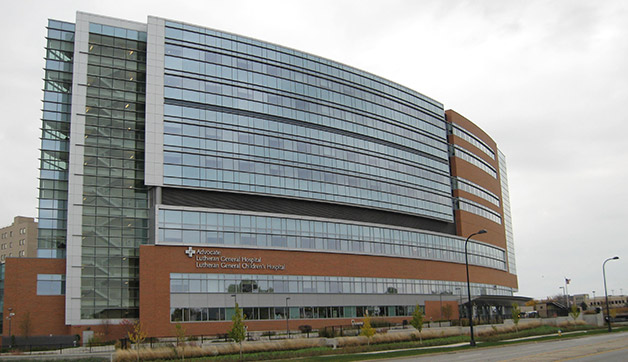
Chicago, Illinois
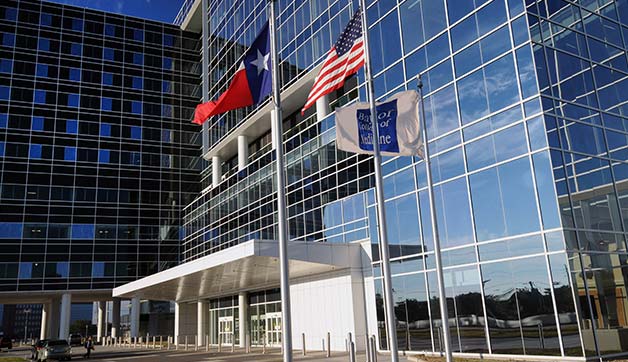
Houston, Texas
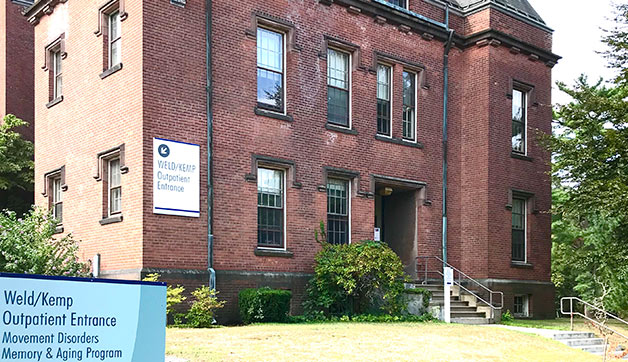
Providence, Rhode Island

Chicago, Illinois

Sacramento, California
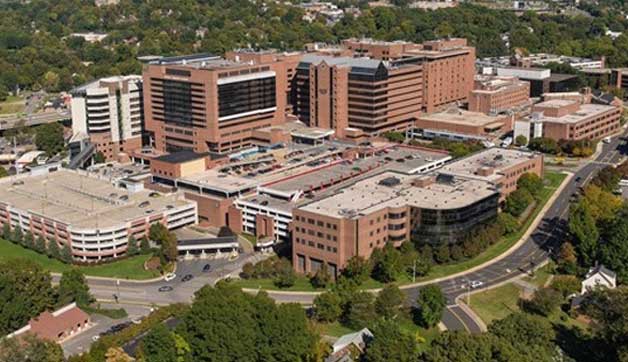
Winston-Salem, North Carolina
83% of those who completed the intervention and are able to provide consent agreed to participate in the U.S. POINTER Alumni Extension, which allows for four more years of observation to assess longer-term impacts of the study’s interventions on cognitive health and dementia risk. Participants in the Alumni Extension are engaged throughout the year in activities and events, with an annual clinical assessment.
Participating in Alzheimer’s research is a highly valuable contribution to a better future for all. There are important research studies underway that need participants.
Learn about Alzheimer's and memory loss studies that are currently recruiting participants. Visit alz.org/TrialMatch and complete a TrialMatch profile online, or call 1.800.272.3900. Completing a TrialMatch profile does not commit you to participating in a study.
©
2025
Alzheimer's Association®.
All rights reserved.
Alzheimer's Association is a not-for-profit 501(c)(3) organization.
Security and Privacy Policy
|
alz.org
