Appropriate Use Criteria for Amyloid and Tau PET Imaging
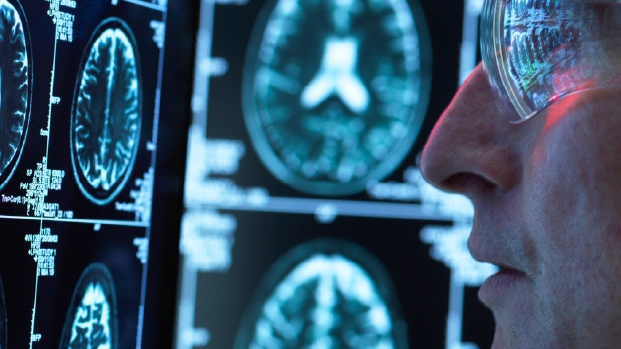
Amyloid and tau positron emission tomography (PET) imaging are powerful molecular tools that allow visualization of the two core pathological features of Alzheimer’s disease: amyloid plaques and tau neurofibrillary tangles. The Alzheimer’s Association and the Society of Nuclear Medicine and Molecular Imaging (SNMMI) have developed updated evidence- and expert-informed Appropriate Use Criteria (AUC) to guide clinicians on when amyloid and tau PET scans are most clinically valuable and when their use may be less beneficial.
These criteria complement comprehensive clinical evaluation and emphasize the importance of interpreting PET findings within the full clinical context. The updated AUC reflects advances in imaging technology, therapeutic developments and broadened access to amyloid and tau PET scans.
Background
Amyloid PET imaging has been FDA-approved for over a decade to detect amyloid plaques in patients with cognitive impairment, while tau PET, approved in 2020, visualizes tau neurofibrillary tangles linked to Alzheimer’s disease severity and staging. The updated 2025 AUC builds upon previous guidelines, reflecting advances in imaging, therapeutics and broader clinical experience.
These updated criteria supersede the 2013 Amyloid PET AUC and introduce for the first time formal AUC for tau PET. They are intended primarily for dementia specialists but also serve as a reference for a broader clinical audience interested in molecular imaging in Alzheimer’s disease diagnosis and management.
Key Principles for Appropriate Use
-
Diagnostic Uncertainty After Specialist Evaluation: Amyloid and tau PET scans are appropriate when Alzheimer’s disease is suspected but the diagnosis remains uncertain despite thorough evaluation by a dementia specialist.
-
Clinical Impact:PET imaging should be performed only if the results have the potential to clarify diagnosis and influence patient management decisions, such as eligibility for amyloid-targeting therapies or care planning.
-
Disease Stage Considerations: Amyloid PET is particularly informative in early stages of cognitive decline, including mild cognitive impairment, while tau PET offers added value in staging and correlating with clinical severity.
-
Patient-Centered Shared Decision-Making: Decisions to pursue PET imaging should involve patients and care partners, considering potential psychological impact, clinical benefits and financial implications.
-
Technical and Interpretative Standards: High-quality imaging conducted in accredited facilities and interpretation by trained specialists are essential for reliable, clinically meaningful results.
-
Complementary Role: Amyloid and tau PET should augment comprehensive clinical assessment, including cognitive testing and fluid biomarkers, rather than replace standard diagnostic evaluation.
-
Evolving Evidence Base: Given that tau PET is a relatively new technology, these criteria are based in part on expert opinion and will evolve with emerging clinical data and research.
Questions
Questions or feedback about the updated Appropriate Use Criteria for Amyloid and Tau PET can be directed to:
Christopher Weber, Ph.D.
Senior Director, Global Science Initiatives
cweber@alz.org