Patient and Care Partner Resources
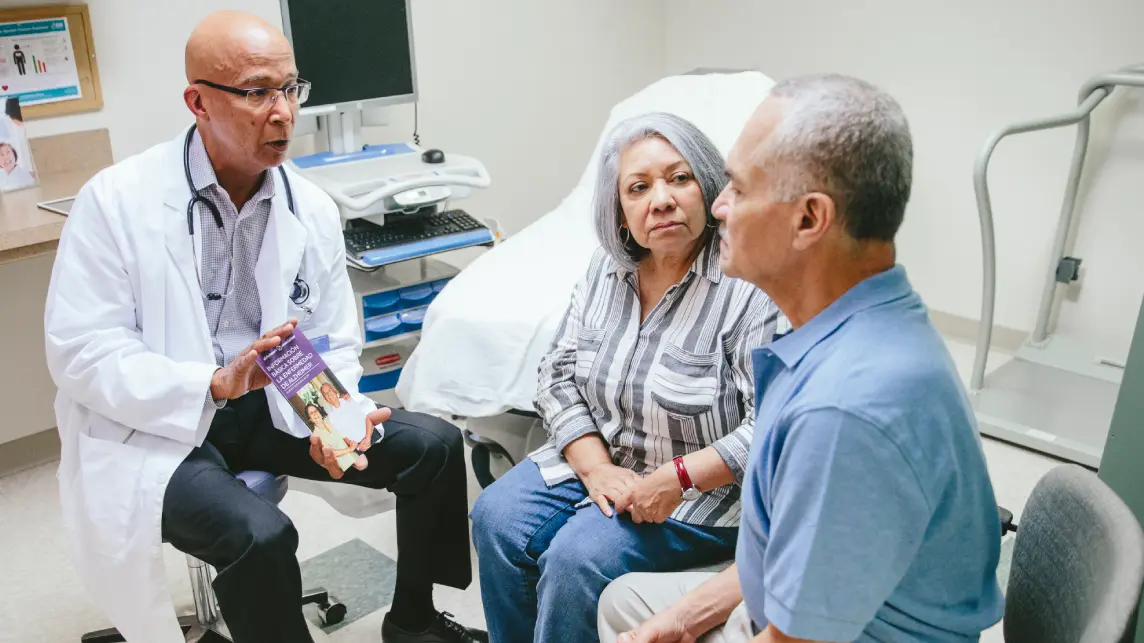 Often, patients and care partners ask providers for information about available resources. The Alzheimer's Association offers support, practical tools, trusted information and education for every stage of the journey. Share the resources below based on an individual's needs, diagnosis status and caregiving situation.
Community connections
Local programs and support services help people living with dementia and their care partners feel informed, supported and less alone.24/7 Helpline: 800.272.3900
What it is: Free, confidential support from dementia-trained professionals available 24 hours a day, 7 days a week.
When to share: For anyone who needs immediate answers, emotional support, care guidance or help finding local resources.
ALZConnected®
What it is: A free online community where people living with dementia, caregivers and families can connect and share experiences.
When to share: For individuals seeking peer support, encouragement and practical advice from others facing similar challenges.
Community Resource Finder
What it is: A searchable directory of local programs, services, support groups and dementia-related resources.
When to share: When patients or caregivers need community-based support, services or referrals.
Find your local chapter
What it is: A directory that connects individuals and families with their local Alzheimer's Association chapter for programs, support groups, education, care consultations and community events.
When to share: When patients or care partners want local support, in-person or virtual programs, or help navigating resources available in their community.
Self-serve tools
Online tools guide individuals and families through diagnosis, care decisions, planning and available resources at their own pace.alz.org®
What it is: The Alzheimer's Association's comprehensive online resource center for information, support and education.
When to share: As a starting point for anyone seeking trusted Alzheimer's and dementia information.
ALZNavigator™
What it is: An interactive tool that provides people living with Alzheimer’s or experiencing memory concerns and caregivers with personalized guidance, resources and an action plan.
When to share: When people need help identifying their next steps.
What it is: A mobile app offering support, guidance and connection for newly diagnosed people and their care partners.
When to share: Shortly after diagnosis to help individuals navigate the early stages of their journey.
Introduction to Alzheimer's
These pages explain the basics of Alzheimer's disease, warning signs, diagnosis and what to expect.10 Early Signs and Symptoms of Alzheimer's and Dementia
What it is: An overview of common warning signs and how they differ from typical aging.
When to share: For individuals or families concerned about memory or thinking changes.
Why Get Checked?
What it is: Information about the importance and benefits of early evaluation and diagnosis.
When to share: When encouraging someone to discuss symptoms with a health care provider.
Dementia vs. Alzheimer's Disease: What Is the Difference?
What it is: A clear explanation of the relationship between dementia and Alzheimer's disease.
When to share: When patients or families are confused about terminology or diagnosis.
How is Alzheimer’s Diagnosed?
What it is: An overview of the diagnostic process, tests and evaluations used to assess cognitive concerns.
When to share: Before, during or after addressing or evaluating a patient's memory or thinking concerns.
Life After Diagnosis
What it is: Practical guidance on adjusting to a diagnosis and planning for the future.
When to share: Immediately following diagnosis or during early-stage planning discussions.
Clinical trials and treatment opportunities
Help individuals learn about research studies, emerging therapies and the potential to contribute to — and benefit from — advancements in Alzheimer's treatment and care.
ALZ-NET
What it is: A voluntary provider-enrolled network that collects real-world data from people being evaluated for memory concerns or receiving FDA-approved Alzheimer's treatments to help improve care and advance research.
When to share: For patients considering or receiving newer Alzheimer's therapies who are interested in contributing to research that helps better understand treatment outcomes.
Alzheimer's Association TrialMatch®
What it is: A free service that matches individuals — including those living with Alzheimer's or other dementia, MCI, and healthy volunteers — to clinical studies.
When to share: For patients interested in novel care and treatment opportunities, or in research participation.
Brain health and risk reduction
Evidence-based tools and resources for encouraging healthy habits and lifestyle choices that may support brain health and reduce dementia risk.
Brain health hub and habit trackers
What it is: Articles, tools and downloadable trackers focused on the Alzheimer's Association's brain health recommendations.
When to share: For anyone seeking ongoing motivation and practical resources for maintaining healthy habits.
Building brain-healthy habits
What it is: A free online tool that helps people assess their current habits, review brain-healthy habit recommendations and create a personalized action plan.
When to share: When patients want guidance on lifestyle changes to support brain health and help reduce the risk of cognitive decline.
(re)think your brain™ 6-Step Challenge
What it is: A simple, evidence-based program that encourages participants to build brain-healthy habits through small, practical actions.
When to share: For individuals interested in reducing dementia risk and proactively supporting brain health.
Virtual learning
On-demand and live learning opportunities provide practical guidance, expert insights and caregiving strategies for every stage of the dementia journey.
ALZ Talks
What it is: On-demand and live virtual presentations featuring experts on dementia care, research and related topics.
When to share: When someone is interested in learning more about specific aspects of dementia.
Live Learning Webinars
What it is: Interactive webinars that provide education and opportunities to ask questions in real time.
When to share: For patients and caregivers seeking practical information and expert guidance.
The Empowered Caregiver
What it is: A structured educational program that teaches caregiving skills and strategies across the disease continuum.
When to share: For current or future caregivers who need practical training and confidence-building support.
Take-home materials
These simple, concise information sheets provide practical advice for patients, families and caregivers. They’re easy to download or print, and many are available in Spanish.
Browse all take-home materials
Common challenges and life events
Designed to help individuals and families navigate difficult moments, these materials cover common dementia-related challenges, family dynamics and major life events.
Helping kids and teens understand dementia
What it is: Age-appropriate resources for explaining dementia to children and adolescents.
When to share: When a loved one's diagnosis affects younger family members.
Resolving family conflicts
What it is: Guidance for navigating disagreements related to caregiving and decision-making.
When to share: When family dynamics create stress or barriers to care.
The holidays and dementia
What it is: Tips for managing expectations, traditions and caregiving during holiday gatherings.
When to share: Before major holidays or family events.
Veterans and dementia
What it is: Information and resources relevant to veterans and military families affected by dementia.
When to share: For patients with military service backgrounds and their caregivers.
Resources for specific communities
Information, education and support tailored to the unique experiences, cultural perspectives and needs of diverse communities affected by Alzheimer's and other dementias.
Asian Americans and Pacific Islanders and Alzheimer's
What it is: Educational resources designed to address the needs of AAPI communities.
When to share: When culturally specific information and support may be beneficial.
Black Americans and Alzheimer's
What it is: Culturally relevant information, education and support resources.
When to share: When patients or families are looking for resources that reflect their community's experiences and needs.
Hispanic Americans and Alzheimer's
What it is: Resources and information tailored to Hispanic and Latino communities.
When to share: For Spanish-speaking individuals and families or those seeking culturally relevant support.
LGBTQ+ community resources
What it is: Information and support addressing the unique experiences and concerns of LGBTQ+ individuals affected by dementia.
When to share: When patients, care partners or families are seeking inclusive resources and support.
Native Americans and Alzheimer's
What it is: Resources that acknowledge and address the experiences of Native communities affected by dementia.
When to share: For Native American patients, families and caregivers seeking community-relevant information.