

Make Twice the Impact Right Now
Make Twice the Impact Right Now
Our Double the Hope Match Challenge is underway, but not for long. From now until Oct. 23, your gift can have double the impact on advancing research and brain health discoveries, as well as helping to provide care and support to those impacted by Alzheimer’s disease.
Donate NowAlzheimer's Disease Facts and Figures
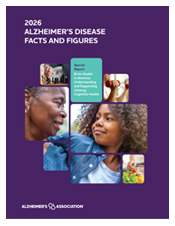
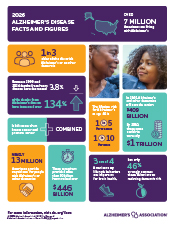
Alzheimer's Disease Facts and Figures (PDF), an annual report released by the Alzheimer's Association, reveals the burden of Alzheimer's and dementia on individuals, caregivers, government and the nation's health care system.
The accompanying special report, Brain Health in America: Understanding and Supporting Lifelong Cognitive Health (PDF), offers new insight into how Americans understand, prioritize and act on the desire to sustain brain health across their lives.
Download the
Full Report:
Download the
Infographic:
Quick facts
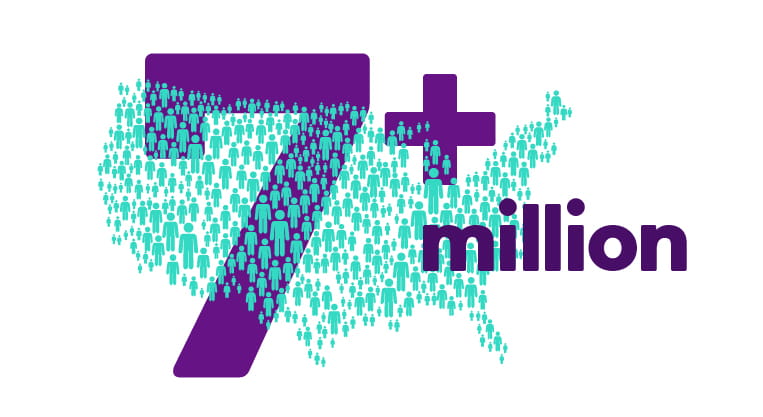
More than 7 million Americans are living with Alzheimer's. By 2050, this number is projected to rise to nearly 13 million.
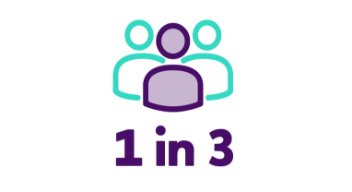
1 in 3 older adults dies with Alzheimer's or another dementia. It kills more than breast cancer and prostate cancer combined.

Health and long-term care costs for people living with dementia are projected to reach $409 billion in 2026 and nearly $1 trillion in 2050.
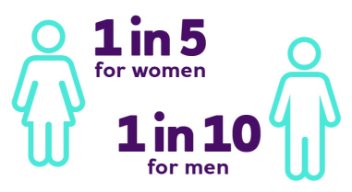
The lifetime risk for Alzheimer's at age 45 is 1 in 5 for women and 1 in 10 for men.
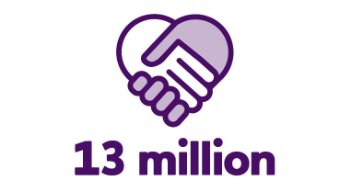
Nearly 13 million Americans provide unpaid care for people with Alzheimer's or other dementias.
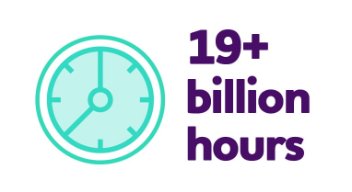
In 2025, unpaid caregivers provided more than 19 billion hours of care valued at more than $446 billion.

99% of Americans value brain health equally or more than physical health, yet only 9% say they know a lot about ways to maintain brain health.

75% of Americans say that lifestyle behaviors are important for brain health, but only 46% strongly connect these behaviors to reducing dementia risk.
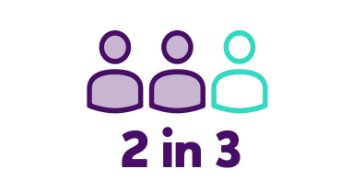
2 in 3 Americans want brain health guidance from a health care provider, but only 14% have discussed maintaining brain health with their doctor.
Prevalence
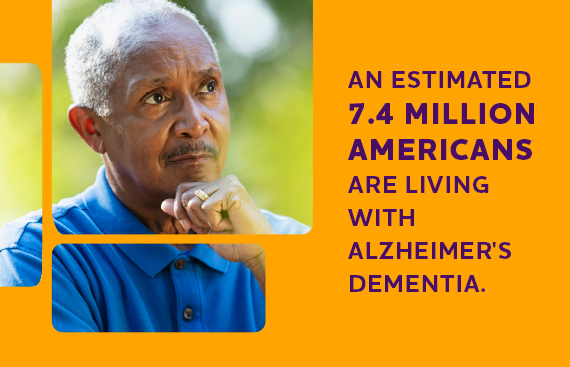 The number of Americans living with Alzheimer's is growing — and growing fast. More than 7 million Americans have Alzheimer's.
-
An estimated 7.4 million Americans age 65 and older are living with Alzheimer's in 2026. Seventy-four percent are age 75 or older.
-
About 1 in 9 people age 65 and older (11%) has Alzheimer's.
-
Almost two-thirds of Americans with Alzheimer's are women.
-
Older Black Americans are about twice as likely to have Alzheimer's or other dementias as older White Americans.
-
Older Hispanic Americans are about one and one-half times as likely to have Alzheimer's or other dementias as older White Americans.
-
People younger than 65 can also develop Alzheimer's dementia. Although prevalence studies are limited, researchers believe about 110 of every 100,000 people age 30 to 64 years, or about 200,000 Americans in total, have younger-onset dementia.
As the size of the U.S. population age 65 and older continues to grow, so too will the number and proportion of Americans with Alzheimer's or other dementias. By 2030, all members of the baby boom generation (Americans born between 1946 and 1964) will be age 65 or older, the age range of greatest risk of Alzheimer’s dementia. By 2060, the number of people age 65 and older with Alzheimer's may grow to a projected 13.8 million, barring the development of medical breakthroughs to prevent or cure Alzheimer's disease.
Get involved
Volunteer, fundraise, advocate and more — you can make a difference in the lives of people affected by Alzheimer's.
Mortality and morbidity
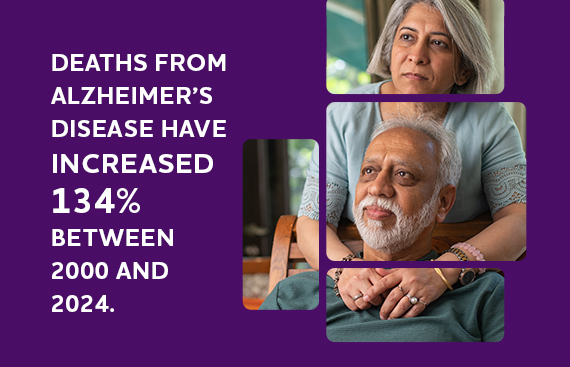 Alzheimer's is not just memory loss. Alzheimer's kills.
-
One in 3 older Americans dies with Alzheimer's or another dementia. It kills more than breast cancer and prostate cancer combined.
-
Alzheimer's disease was officially listed as the fifth-leading cause of death among people age 65 and older in 2024.
-
Deaths from Alzheimer's have more than doubled between 2000 and 2024, while those from heart disease — the number-one cause of death — have decreased.
-
At age 70, older Americans living with Alzheimer's are twice as likely to die before age 80 than those who do not have the disease.
-
A person who lives from age 70 to age 80 with Alzheimer’s dementia will spend an average of 40% of this time in the severe stage.
People age 65 and older survive an average of four to eight years after a diagnosis of Alzheimer's, yet some live as long as 20 years with Alzheimer's. This reflects the slow, insidious and uncertain progression of the disease.
Invest in the fight to end Alzheimer's
The Alzheimer's Association leads the way to a world without Alzheimer's and all other dementia, but we can't do it without your help.
Caregiving
 Eighty-three percent of the help provided to older adults in the United States comes from family members, friends or other unpaid caregivers. Nearly half of all caregivers who provide help to older adults do so for someone living with Alzheimer's or another dementia.
Who are the caregivers?
-
Nearly 13 million Americans provide unpaid care for a family member or friend with dementia. This care is valued at $446.3 billion — more than 17 times the total revenue of McDonald's in 2024.
-
About 30% of caregivers are age 65 or older.
-
Approximately two-thirds of caregivers are women; more specifically, over one-third of dementia caregivers are daughters.
-
Most caregivers (66%) live with the person with dementia in the community.
-
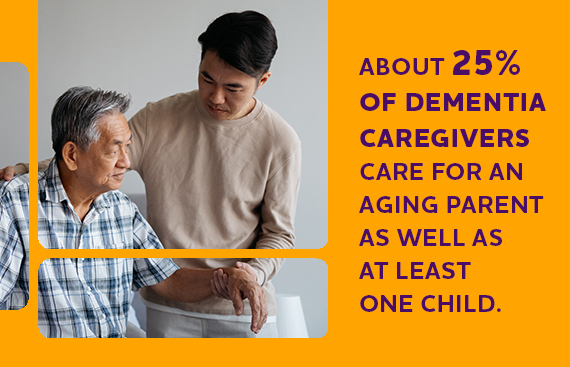
Approximately one-quarter of dementia caregivers are "sandwich generation" caregivers — meaning that they care not only for an aging parent but also for at least one child.
-
Forty-one percent of caregivers have a household income of $50,000 or less.
-
Fifty-nine percent of dementia caregivers report feeling high to very high emotional stress.
Alzheimer's takes a devastating toll on caregivers. Compared with caregivers of people without dementia, more caregivers of those with dementia indicate substantial emotional, financial and physical difficulties. Of the total lifetime cost of caring for someone with dementia, 70% is borne by families — either through out-of-pocket health and long-term care expenses or from the value of unpaid care.
Caring for someone living with Alzheimer's?
Get the support you need to handle the day-to-day, plan for the future and help you live well.
Workforce
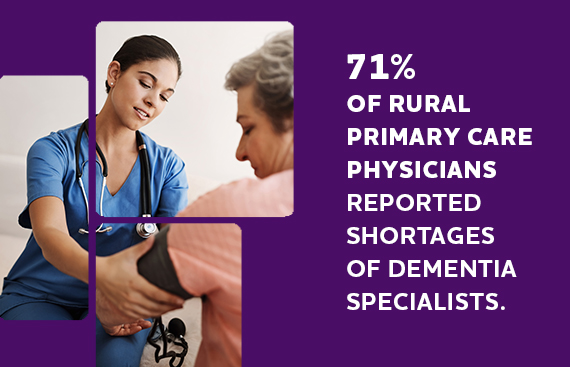 As the prevalence of Alzheimer's disease increases, so does the need for more members of the paid workforce to be knowledgeable and skillful about working with different populations of people living with dementia, as well as with their families.
-
Fifty-five percent of primary care physicians (PCPs) report that there are not enough dementia care specialists in their communities.
-
Between 2024 and 2034, nearly 800,000 additional direct care workers will be needed to care for the growing population of people living with dementia — the largest worker gap of any single occupation in the U.S.
-
Half of PCPs reported that they do not feel adequately prepared to care for individuals with Alzheimer's and other dementias.
-
The U.S. will have to more than quadruple the number of geriatricians who were practicing in 2021 to effectively care for the number of people age 65 and older in 2050.
-
Turnover rates for direct care workers are high — estimated at 79% annually for those providing home care and 99% for nursing assistants in nursing homes.
Be prepared and talk to your doctor
Effective communication with your doctor is important when you are seeking a diagnosis for memory loss. Be prepared to ask questions and be as honest as possible.
Costs of health care
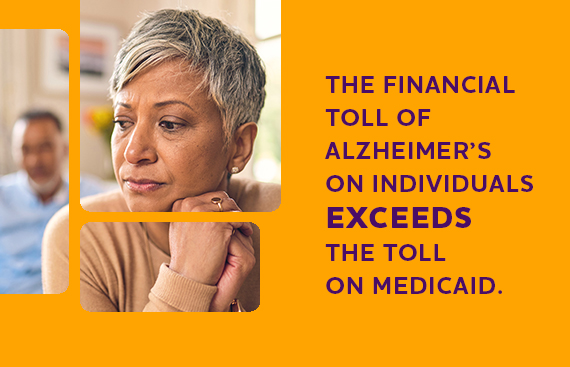 The costs of health care and long-term care for individuals living with Alzheimer's or other dementias are substantial, and dementia is one of the costliest conditions to society.
In 2026, health and long-term care costs for people living with Alzheimer's and other dementias are projected to reach $409 billion — not including the value of unpaid caregiving. Medicare and Medicaid are expected to cover $263 billion (64%), while out-of-pocket spending is expected to be $103 billion. Total payments for health care, long-term care and hospice care for people living with dementia are projected to increase to nearly $1 trillion in 2050.
-
The total lifetime cost of care for a person living with dementia is estimated at $405,262 in 2024 dollars. Seventy percent of these costs are borne by family caregivers in the forms of unpaid caregiving and out-of-pocket expenses.
-
Medicaid costs for a person living with dementia are 22 times higher than for older adults without dementia. Medicare costs are nearly 3 times higher.
-
People living with Alzheimer's or other dementias have twice as many hospital stays per year as other older people.
-
Medicare beneficiaries with Alzheimer's or other dementias are more likely than those without dementia to have other chronic conditions, such as heart disease, diabetes and kidney disease.
-
Older people living with Alzheimer's or other dementias have more skilled nursing facility stays and home health care visits per year than other older people.
-
People living with Alzheimer's or other dementias make up a large proportion of all elderly people who receive adult day services and nursing home care.
Take action
Ending Alzheimer's is possible — Congress can make it happen. Join us and help make Alzheimer's a national priority.
Special Report — Brain Health in America: Understanding and Supporting Lifelong Cognitive Health
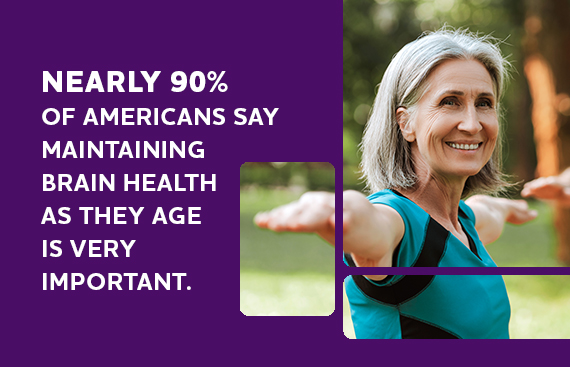 As more Americans live into their late 70s and beyond, public interest in brain health is growing. Brain health — how well we think, learn and remember — is relevant throughout life, not just in the later stages of adulthood. Brain Health in America: Understanding and Supporting Lifelong Cognitive Health (PDF), a nationwide survey of more than 3,800 adults age 40 and older, offers new insights into how people today view brain health and why now is a critical time to start treating brain health as a lifelong priority.
It’s never too early — or too late — to care for your brain. Research shows that everyday habits, such as eating a healthy diet, staying physically active and managing blood pressure, can support brain health over time. However, many Americans do not yet connect these habits with lowering the risk of dementia.
The special report found that Americans aged 40 and older show a strong interest in brain health, but are unsure how to support it.
- Eighty-two percent associate “good brain health” with being able to do things like think clearly and make good decisions.
- Ninety-nine percent of adults view brain health as equally as important as physical health, but only 9% said they knew “a lot” about ways to maintain and support brain health.
Americans believe certain lifestyle habits can support brain health, but many do not practice those habits consistently.
- Seventy-five percent believe habits like diet, physical activity, sleep and mentally stimulating activities play a very important role in maintaining brain health as they age.
-
However, these healthy habits by adults are inconsistent.
-
Fifty percent get seven hours of sleep daily or most days
-
Thirty-four percent are physically active daily or most days
-
Thirty-nine percent follow a healthy diet daily or most days
-
Forty-two percent do mentally stimulating activities daily or most days
-
- In addition, fewer than half (46%) strongly associate these habits with reducing dementia risk.
Americans view midlife (ages 35-64) as a critical time to start focusing on brain health.
- Nearly half of adults (46%) said midlife is when participation in formal brain health programs should start.
- 3 in 4 are interested in brain health programs. Cost (73%) is the biggest factor driving decisions for program participation.
- 1 in 3 adults said doing things to support brain health should be a lifelong endeavor, with action appropriate at any age.
Those adults surveyed express a clear desire for health care providers to initiate brain health conversations proactively.
- Two-thirds (66%) say they prefer to learn about brain health from their health care provider, and 86% welcome these conversations during routine care.
- Only 14% said they have discussed brain health with their doctor.
The special report findings show that Americans care about brain health, are motivated to protect it and are looking for guidance they can trust. To meet these needs, several actions can help improve awareness, access and support at both the individual and system levels:
- Develop practical brain health tools and programs. These should encourage healthy habits and be easy to use, self-guided and simple to incorporate into everyday life.
- Expand community-based efforts. Providing programs in places where people live, work and learn can help deliver reliable, trustworthy and easy-to-understand information about brain health.
- Make brain health in the workplace a priority. Focusing on the workplace can help reach adults during midlife, a key time to start practicing healthy brain habits.
- Create clear clinical practice guidelines. Health care providers should have consistent, evidence-based recommendations they can use to support brain health throughout a person’s life and as part of an individual's routine care.
- Establish a brain health resource hub for health professionals. A comprehensive source of information can help providers access brain health tools and guidance more easily.
- Activate public health strategies that are culturally appropriate to promote brain health resources and ensure equitable access for all communities, particularly those underserved or at higher risk.
The Alzheimer’s Association is working with partners to deliver research-backed information and programs to help people support their brain health across community, workplace and health care settings. These efforts are informed by the landmark U.S. POINTER study, which found that combining multiple healthy habits can protect cognition function.
Learn more in Brain Health in America: Understanding and Supporting Lifelong Cognitive Health (PDF) and view the special report infographic (PDF).
Read past special reports
Call our free 24/7 Helpline (800.272.3900)
Talk to a dementia expert now and get confidential emotional support, local resources, crisis assistance and information in over 200 languages. It's ok if you don't know where to start. Just give us a call and we'll guide you from there.
Alzheimer's in each state
The 2026 Alzheimer's Disease Facts and Figures (PDF) report contains data on the impact of this disease in every state across the nation. Click below to see the effect that Alzheimer's is having in your state.