One Advocate’s Journey: From Caregiver to Changemaker
Turning a devastating loss into purpose.
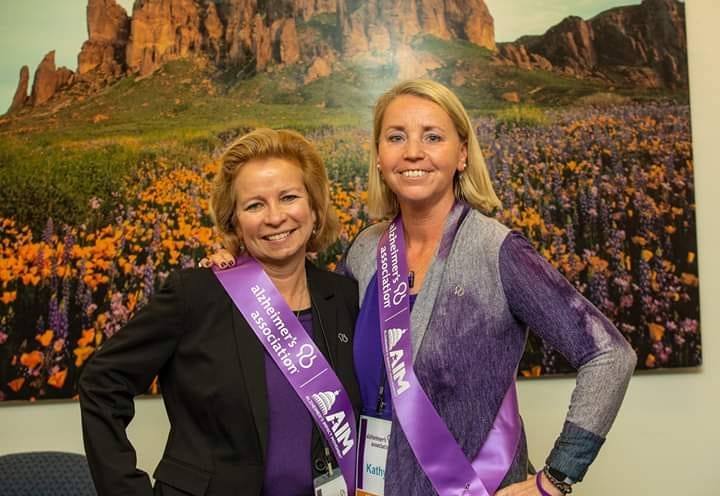
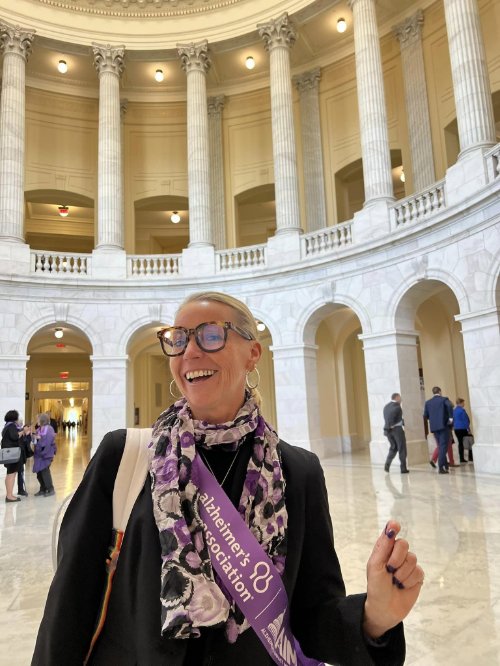
Every year, passionate advocates gather in Washington, D.C. to meet with lawmakers and push forward bipartisan policies aimed at improving the lives of people affected by Alzheimer’s and other forms of dementia. This year marked a record-breaking milestone — 1,100 advocates from all 50 states came together, making it the largest advocacy gathering for any cause in the world. Each year, the Forum not only reunites advocates from across the nation — it’s a place of healing, belonging, and empowerment. Their mission? To rally support for vital federal initiatives, including:
- Sustaining Progress in Alzheimer’s Research: Securing ongoing funding for dementia research, support programs like Medicaid, and agencies such as the National Institutes of Health (NIH) and the Centers for Disease Control and Prevention (CDC).
- 2026 Budget Requests: Asking Congress to allocate $113.5 million more for Alzheimer’s research at the NIH and $35 million for the CDC’s BOLD Infrastructure for Alzheimer’s Act.
- The ASAP Act: A bipartisan bill to ensure Medicare covers FDA-approved tests that detect early signs of dementia.
- The AADAPT Act: Legislation aimed at improving training for primary care providers to recognize and treat dementia with compassion and accuracy.
As one attendee reflected, even in a year when Congress passed only five health-related bills, three of them were driven by Alzheimer’s advocates. That’s the power of unity and perseverance. One of the most moving moments at this year’s Forum was a panel featuring two advocates from New Hampshire. Despite having never met before their diagnoses, they formed a deep friendship through their shared journey — a beautiful reminder of how advocacy brings people together. The Forum is often called “The World’s Largest Support Group” — a safe, uplifting space where individuals impacted by dementia can lean on each other, share their truths, and find purpose in pain.
But these goals aren’t achieved through policy alone — advocacy is the engine behind change. At its core, advocacy is about making voices heard — standing up for what’s right, holding decision-makers accountable, and striving for a better future. One of the most powerful tools in advocacy? Storytelling. Sharing personal experiences not only raises awareness, it builds bridges. When we open up about our own challenges and journeys, others feel seen, heard, and empowered to speak up too. Storytelling becomes a vehicle for healing, resilience, and growth.