Twice the Impact During the Dog Days of Summer
Twice the Impact During the Dog Days of Summer
Our End of Summer 2x Match is underway, but not for long. From now until midnight on Aug. 31, your gift can have double the impact on advancing research and helping provide care and support for those impacted by Alzheimer’s.
Donate NowWhen Dementia Brings Redemption
Even amid the devastation of Alzheimer’s, caregiving can create space for healing, restored relationships, and moments of lasting redemption.
Families can be complicated. Pain experienced at the hands of one’s own family can be difficult to reconcile. Yet the story of Nicole Kuck and her mother, Joanne Seymour, is a powerful reminder that even in life’s most challenging moments, broken relationships can still be healed.
There is a common misconception that dementia and Alzheimer’s disease only affect people later in life. Tragically, that is not always the case. Joanne was just 51 years old when she was diagnosed with early‑onset Alzheimer’s disease. Soon after, she was moved from her home in California to Arizona as her condition progressed.
For the next seven years, until Joanne passed away at age 60, Nicole served as her mother’s primary decision‑maker and caregiving advocate. By the time Joanne was 56, she could no longer speak and required full‑time care, including assistance with incontinence. Navigating around‑the‑clock care decisions was emotionally and physically overwhelming. And yet, in the midst of so much loss, something extraordinary emerged: Joanne’s dementia gave Nicole the opportunity to build a relationship with her mother that they had never been able to have before.
“Caring for my mom was incredibly difficult, especially because I did not grow up in her care and our relationship had been complicated,” Nicole shared. “And yet, it became the most redeeming journey of my life. Dementia stripped away many things, but it also gave us space to restore and repair a broken relationship in a way that words never could.”
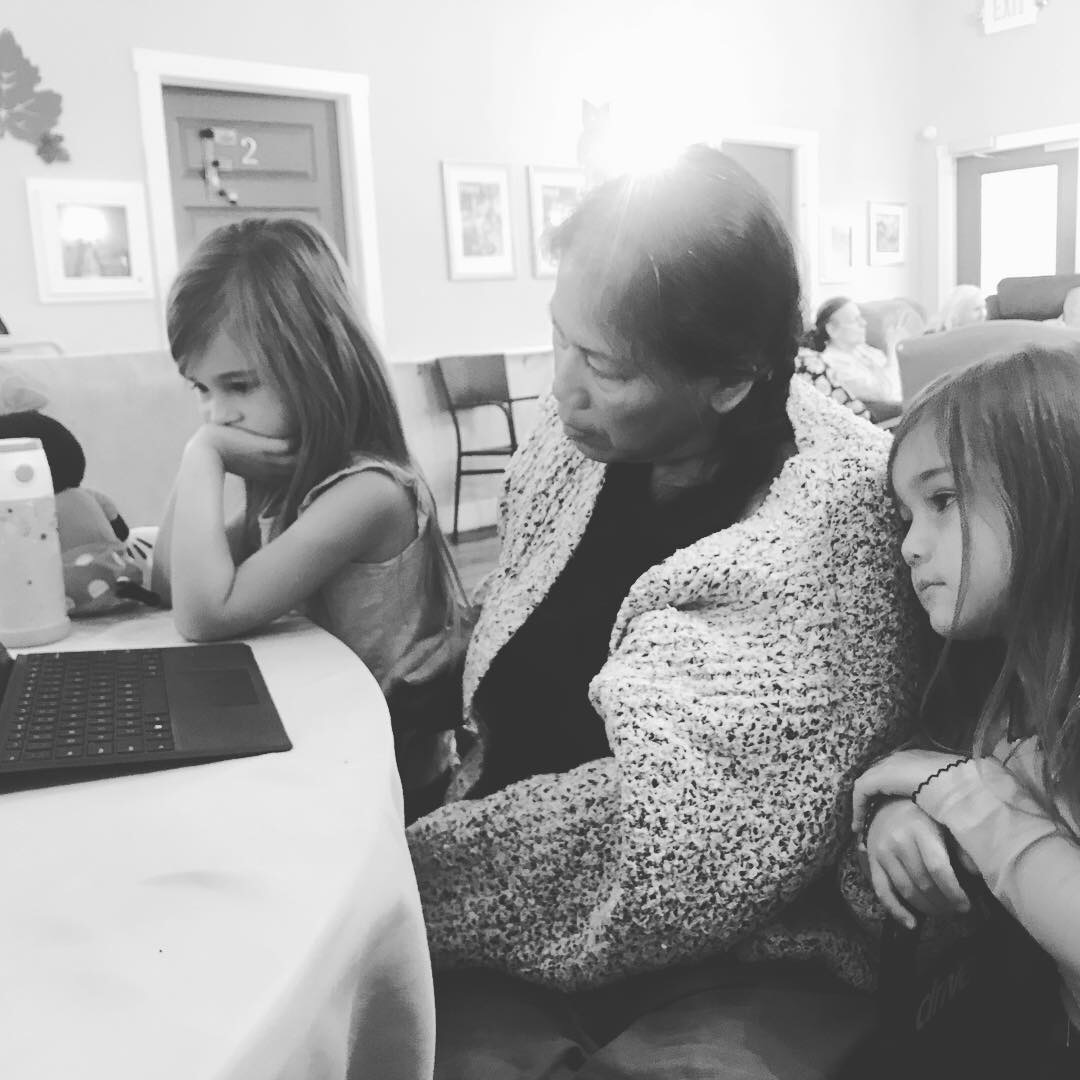
Through caring for their mother, Nicole also grew closer to her sister. What began as a shared responsibility evolved into a deep bond. Today, her sister is not only her best friend but also an advocate with the Alzheimer’s Association in Mississippi. Joanne’s early‑onset Alzheimer’s also opened the door to an unexpected and beautiful connection with her granddaughters.
“Before her diagnosis, my mom lived a lifestyle that wouldn’t have allowed for a relationship at all,” Nicole said. “But through her illness, she became present in a new and unexpected way. Ultimately, she became my oldest daughter’s first best friend. Watching that relationship unfold remains one of the most meaningful gifts to come from an otherwise devastating disease.”
Reflecting on her caregiving journey, Nicole emphasizes the importance of self‑care for those supporting someone living with Alzheimer’s or another form of dementia. She stresses that caregiving is not meant to be done alone. It requires support, flexibility, and compassion for yourself as much as for your loved one.
“There is no ‘right way’ to care,” Nicole explained. “It’s about finding what works for you, leaning on others, and always preserving your loved one’s dignity.”
Perhaps the most powerful lesson Nicole shares is the importance of seeking redeeming moments. As Alzheimer’s progresses, meaningful connection can feel increasingly out of reach. But even fleeting moments of joy, familiarity, or peace can carry caregivers through the hardest days—long after their loved one is gone.
That does not mean the experience was without anger. Like many who have been impacted by Alzheimer’s or dementia, Nicole felt frustration, grief, and resentment toward the disease, the caregiving demands, and the years it took to receive an accurate diagnosis.
“I was angry at the disease itself and at what it took from us,” Nicole said. “But I came to realize that anger and grief often walk hand in hand. That sadness was also a reflection of love, healing, and connection. That understanding changed how I look back on the entire journey. It helped me recognize not only the loss, but the redemption woven throughout it.”
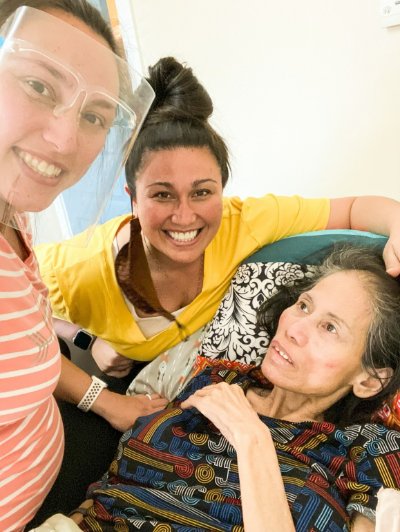
Today, Nicole channels her experience and passion into advocacy and fundraising for the Alzheimer’s Association. She serves as the Do What You Love to End Alzheimer’s® Executive Chair for the Alzheimer’s Association Arizona Chapter, helping lead one of the Association’s most creative peer‑to‑peer fundraising initiatives.
Do What You Love to End Alzheimer’s® empowers individuals to turn their passions—whether that’s baking, dancing, crafting, music, fitness, or any hobby—into fundraising efforts that support the fight against Alzheimer’s and other dementias. Participants choose what they love to do, set a fundraising goal, and invite others to support their efforts in honor of those impacted by the disease.
For Nicole, supporting the Alzheimer’s Association through Do What You Love to End Alzheimer’s® is a way to honor her mother’s life and legacy, while helping ensure that future families have more answers, more resources, and more hope than she once did.
This year, Nicole is continuing that mission through her personal Do What You Love to End Alzheimer’s® fundraiser, “Do What She Loved.” The campaign celebrates Joanne’s life while supporting critical research, care, and support for families impacted by Alzheimer’s and other dementias.
To learn more or support Nicole’s fundraiser, visit:
https://events.alz.org/