

Make Twice the Impact Right Now
Make Twice the Impact Right Now
Our Autumn 2x Match Challenge is happening right now. Until midnight on Oct. 12, your gift can go twice as far to advance research, promote brain health and help provide care and support for those impacted by Alzheimer’s.
Donate Now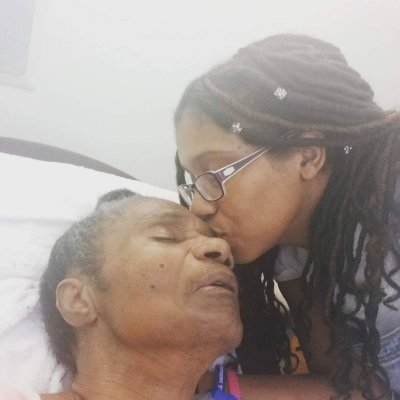 As an advocacy volunteer in Richland County, SC, Kadene Brooks is using her voice to grow bipartisan support for Alzheimer’s and dementia policies. But at the heart of that work is her own personal experience caring for her mom, shared here in her own words.
"My mom's memory fuels my determination to make a difference for her, and for all families impacted by Alzheimer’s... Turning my pain into purpose has been deeply healing."
Please tell us about yourself and your story.
A few years ago, my mom began showing early signs of Alzheimer’s dementia. At the time, our family didn’t have the knowledge or understanding to recognize what was happening. We thought she was simply acting “out of character” and, sadly, took many of her behaviors personally.When she was eventually diagnosed with Alzheimer’s dementia, her condition progressed far more rapidly than we could have ever imagined. As a family, we were unprepared to care for her properly. This led to some incredibly difficult decisions. We made choices with love and the best intentions, but they will stay with me for the rest of my life.
My mom later succumbed to the complications of Alzheimer’s, exacerbated by COVID-19, and passed away shortly after her 70th birthday. Before her diagnosis, her only medical conditions were glaucoma and osteoarthritis. I often wonder if she would still be with us today had there been a cure for dementia, or even if it had been detected earlier.
In her honor, I am committed to joining the fight for better research, stronger resources, and ultimately, a cure for this devastating disease. My mother wasn’t the only one in our family affected, and I would be lying if I said I’m not afraid that one day I could face the same diagnosis. But her memory fuels my determination to make a difference for her, and for all families impacted by Alzheimer’s.
What have been your greatest frustrations or challenges along the way?
1. Lack of Awareness and Early DetectionOne of my greatest frustrations has been how little our family knew about the early warning signs of dementia. We mistook symptoms for mood changes or stress, not realizing that something much deeper was happening. If we had understood earlier, we could have sought help and support sooner.
2. Limited Resources and Support
It was so difficult it was to find the right resources to properly care for my mom. There was no clear guidance on what type of care she needed at each stage or where to turn for help. We often felt alone, trying to navigate a system that wasn’t built to support families caring for someone with dementia. I also realized how little support there was for caregivers themselves. The emotional, physical, and financial strain can be overwhelming, and without proper respite or guidance, it’s easy for families to experience burnout while simply trying to do their best.
3. Emotional Toll and Family Strain
Watching my mom’s decline while trying to stay strong for everyone else was emotionally exhausting. The disease doesn’t just affect the person diagnosed; it changes the entire family dynamic. We struggled with guilt, confusion, and sometimes even resentment, all rooted in love and helplessness.
4. Lack of Research and Effective Treatments
It’s frustrating that, even after decades of awareness, there is still no cure and very limited treatment for Alzheimer’s. So many families are forced to watch their loved ones fade away without real medical options. That sense of powerlessness is devastating.
What are some things that give you relief or help you with the situation?
1. Faith and Spiritual GroundingMy faith has been one of my greatest sources of comfort. In moments of grief or uncertainty, prayer and reflection reminded me that even in pain, there is purpose. Believing that my mom is at peace and that her life continues to inspire others helps me move forward.
2. Advocacy and Purpose
Turning my pain into purpose has been deeply healing. Becoming an advocate for Alzheimer’s awareness, education, and caregiver support allows me to honor my mom’s memory in a meaningful way. Each time I share her story or help another family, it feels like I’m keeping her legacy alive.
3. Community and Connection
Connecting with others who have gone through similar experiences has been a huge relief. Knowing I’m not alone and being able to both give and receive support has brought me strength. Whether through the Alzheimer’s Association, or online communities... hearing stories helps lighten the emotional load.
4. Education and Empowerment
Learning more about dementia and caregiving has given me a sense of control in a situation that once felt helpless. Understanding the disease and the resources available helps me feel empowered to make a difference for other families.
5. Keeping Her Memory Alive
Finding ways to celebrate my mom’s life brings comfort. Whether it’s creating initiatives in her name, spreading awareness by sharing her story; those small acts of remembrance make me feel close to her.
What do you most want people to understand about Alzheimer's or other dementia?
It’s more than memory loss.Alzheimer’s affects every part of a person’s identity. It affects how they think, feel, communicate, and relate to others. It slowly changes the person you love in ways that are painful to witness but important to understand.
Early detection matters.
Recognizing the signs early can make a huge difference in planning care, accessing resources, and improving quality of life for both the person diagnosed and their family.
It impacts the whole family.
Alzheimer’s doesn’t just happen to one person. It changes the lives of everyone around them. Families need education, support, and compassion just as much as the individual living with the disease.
There is still hope.
With more research, awareness, and advocacy, progress is being made. Families need to know they are not alone, and that together we can push toward earlier detection, better treatments, and ultimately, a cure.
Ready to use your voice in the fight against Alzheimer's and all dementia?
- Get involved as a volunteer advocate in South Carolina.
- Contact policy-makers on timely issues.
- Share your story with us.