
Make Twice the Impact Right Now
Make Twice the Impact Right Now
Our Autumn 2x Match Challenge is happening right now. Until midnight on Oct. 12, your gift can go twice as far to advance research, promote brain health and help provide care and support for those impacted by Alzheimer’s.
Donate NowAnosognosia
Anosognosia is a condition in which a person is unaware of their cognitive decline, most often seen in Alzheimer’s disease or other causes of dementia. This lack of awareness is often confused with denial and poses unique challenges for care.
Anosognosia definition and meaning
Anosognosia is a symptom of a neurological condition that prevents a person from recognizing their own impairment. Common in people living with Alzheimer’s or another dementia, anosognosia is often mistaken for denial. But unlike denial, which is psychological, anosognosia results from changes in the brain that affect self-awareness.
People with anosognosia may truly believe nothing is wrong, even when symptoms are obvious to others. This can make it harder for them to seek medical care or follow a treatment plan. Understanding this condition helps caregivers, families and health care professionals navigate conversations about safety, treatment and support.
Causes of anosognosia
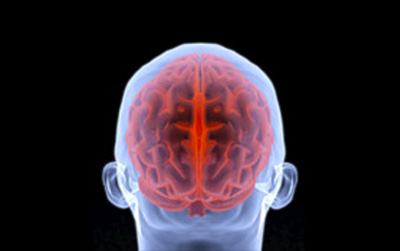
Anosognosia results from damage to parts of the brain that are responsible for self-awareness like the frontal or parietal lobes. In Alzheimer's disease and other types of degenerative diseases, these brain regions can deteriorate, leading to a loss of the ability to recognize one’s own cognitive decline.
Symptoms of anosognosia
Recognizing the symptoms of anosognosia in individuals living with dementia or Alzheimer’s can be difficult. Unlike other symptoms of dementia, such as memory loss or confusion, anosognosia specifically affects a person’s ability to understand that they have these impairments. This can cause frustration for both the person living with dementia and their caregiver.
Common symptoms of anosognosia include:
- Denial of memory problems. A person with anosognosia may insist that they have no problem with their memory, even in the face of contrary evidence.
- Resisting assistance. Because people suffering from anosognosia don’t recognize their own challenges, they may resist help. They may refuse to stop driving or may decline assistance with activities that they are struggling with.
- Not recognizing severity. Even when confronted with clear evidence of their cognitive decline, those with anosognosia may downplay or rationalize the severity, believing they are capable of handling tasks they are no longer able to safely perform.
- While anosognosia is most common in later stages of dementia, it can also appear earlier in conditions like mild cognitive impairment (MCI), frontotemporal dementia (FTD) or in some cases of traumatic brain injury (TBI).
Diagnosing anosognosia
Diagnosing anosognosia involves evaluations by health care professionals experienced in dementia and neurological conditions. Since people with anosognosia don’t recognize their cognitive disabilities, the typical self-reporting methods are not very reliable. Instead, diagnosis usually requires the following:
- Clinical assessments, which are tests to evaluate brain function.
- Observations from caregivers. Family members or caregivers may have relevant input regarding the person's awareness of their symptoms.
- Brain imaging. MRI or CT scans can detect brain changes associated with dementia and assess areas linked to self-awareness deficits.
- In some cases, anosognosia may influence treatment decisions, especially when considering disease-modifying therapies (DMTs) for Alzheimer’s disease. Diminished self-awareness can affect how reliably a person reports side effects or follows medical guidance.
- Early and accurate diagnosis is crucial for developing effective care plans and ensuring the safety and well-being of both the individual and their caregivers.
When to seek professional help
When seeing signs of anosognosia in a loved one, it is important to get help from a health care professional who specializes in dementia care. A proper diagnosis can help in understanding the extent of the condition and developing a care plan tailored to both safety and quality of life. Early intervention and professional help can provide valuable support to caregivers in dealing with challenges that come with anosognosia.Managing anosognosia
There are strategies that can help manage the anosognosia and enhance quality of life for both individuals and their families and caregivers by focusing on safety and communication.
Treatment options for anosognosia
- Medication management: There is no specific medication to treat anosognosia directly. However, treating the underlying disease with medications can slow down the disease process or help to manage symptoms.
- Caregiving and environmental strategies: For Alzheimer's-related anosognosia, restoring insight is often not possible, so non-medication approaches focus on improving quality of life and safety. Structuring routines, minimizing overstimulation, and making safety modifications, like installing grab bars or using GPS trackers, can reduce stress and help prevent harm.
Management strategies for caregivers
- Simplifying communication: Using simple, clear language when discussing the person's condition can reduce frustration. Avoiding confrontational language and focusing on support rather than pointing out deficits can help maintain a positive environment.
- Redirecting and using distraction techniques: Instead of directly confronting the person about their lack of awareness, caregivers can use redirection and distraction techniques to avoid potential conflict. This approach helps manage daily activities without causing distress.
- Creating a safe environment: Since a person may not fully recognize their cognitive challenges, it’s important to focus on safety. Gentle home safety measures like reassessing driving abilities, fall-proofing the home, securing firearms (PDF) and using medication reminders can help reduce risks and support well-being.
- Building a support network: Caregivers may want to join support groups or seek guidance from health care professionals experienced in dementia care. A strong support network can provide emotional relief, practical tips and resources to better manage the challenges of caring for someone with anosognosia. Learn more about building a care team.
- Exercising empathy and patience: It’s important to keep in mind that anosognosia is not a choice; it is a symptom of a neurological condition. Approach conversations with empathy and avoid arguing or trying to convince the person that they are wrong. Instead, focus on their feelings and offer support that respects their perspective.
- Creating a structured routine: Establishing a consistent daily routine can reduce confusion and anxiety for individuals with anosognosia and dementia. Routines help create a sense of normalcy and reduce situations where lack of awareness may cause problems.
- Using positive reinforcement: Encourage and praise the person for tasks they complete successfully. Positive reinforcement can help build trust and cooperation, making daily caregiving tasks smoother.
Having the conversation about safety and independence
It can be difficult to talk with a loved one who has anosognosia about safety concerns like driving, medication management or accepting help at home. Because the person may not recognize their cognitive changes, these conversations require empathy, preparation and a focus on preserving dignity. Here are a few ways to approach these conversations with compassion and clarity:
-
Try to plan ahead and introduce the topic before it becomes urgent.
-
Acknowledge that changes may feel like a loss of independence and use supportive language that centers on care and partnership.
-
Involve a trusted health care provider or revisit the conversation over time to help build understanding.
By adopting these strategies and utilizing available support resources, caregivers can more effectively manage the challenges of anosognosia and provide compassionate, safe care for their loved ones. Explore more caregiving resources for Alzheimer’s and related dementias to find support, guidance and practical strategies to help you navigate the challenges of caregiving.
Additional resources and support for those affected by anosognosia
When someone living with anosognosia is unable to recognize their own decline, it can be emotionally challenging for families. But no one is alone in this journey. Crucial lifelines exist to support both individuals and their families through this challenging time.
- Alzheimer's Association Helpline: The Alzheimer's Association 24/7 Helpline (800.272.3900), provides confidential support, crisis assistance, local resources and information in over 200 languages, day or night.
- Alzheimer’s Association and local chapters: The Alzheimer’s Association offers extensive resources, including articles, guides, webinars, and workshops specifically designed for families dealing with dementia-related conditions like anosognosia. Local chapters can provide access to support groups, educational programs, and personalized advice from dementia care experts.
- Online communities and forums: Engaging with support communities, such as the Alzheimer's Association ALZConnected, allows families to connect with others facing similar challenges. These online and local communities offer a safe space to share experiences, ask questions and receive peer support.
- Professional counseling: Caregivers can benefit from talking to professionals such as counselors or psychologists who specialize in dementia care. Counseling can help manage stress, develop coping strategies and provide personalized guidance.
- Educational resources: Accessing resources that explain dementia and caregiving strategies can help caregivers feel more informed and confident. Websites, books and webinars from trusted organizations provide evidence-based information and tips.
Related Pages




The Alzheimer’s Association is in your community.
Find Your Local Chapter
Learn how Alzheimer’s disease affects the brain.
Take the Brain Tour