
Alzheimer's and Public Health Action in Alaska
Alzheimer’s disease is a growing public health crisis in Alaska, and the impact of Alzheimer’s is projected to rise. A comprehensive public health approach is essential to improve community health, support the well-being of those living with cognitive decline and their families, and reduce the risk of dementia throughout communities. The most recent data show:
8,400
people aged 65 and older are living with Alzheimer’s in Alaska.
17.8% of people
aged 45 and older have subjective cognitive decline in Alaska.
25,000
family caregivers provide essential support to people living with dementia in Alaska.
40 million
hours of unpaid care are provided by dementia caregivers in Alaska.
$929 million
is the value of unpaid care provided in Alaska.
$125 million
is the cost of Alzheimer’s to the state Medicaid program.
Fact sheets on Alzheimer's and dementia in Alaska
View and download state-specific fact sheets for the latest data on each topic:
Learn more about how these data are collected in the annual Alzheimer’s Disease Facts and Figures report and the Behavioral Risk Factor Surveillance System (BRFSS).
Public health progress in Alaska
State, local, territorial and tribal health departments are key partners in implementing a robust public health response to dementia. The Alaska Department of Health is improving brain health throughout the state.
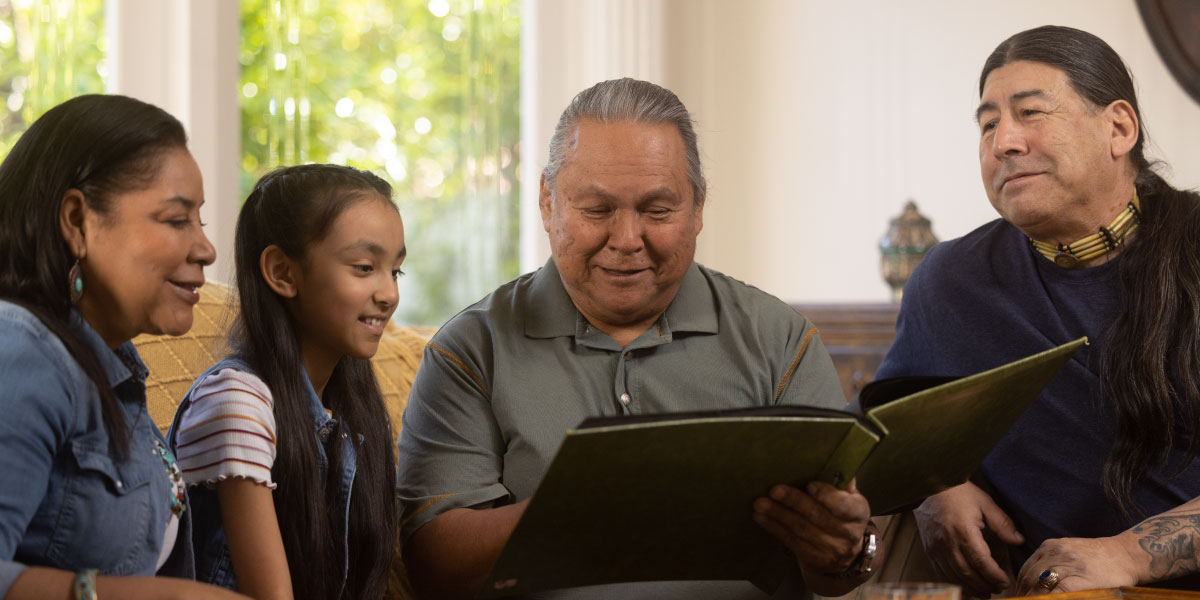
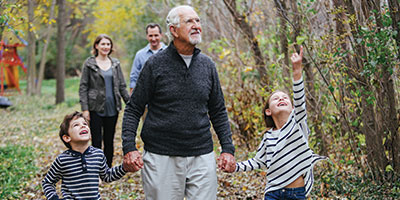
The Alaska Division of Public Health created a public health campaign about the relationship between physical activity and dementia. It highlights traditional practices, including fishing, berry picking and spending time outdoors, while also showing the importance of social connectivity as a protective factor against Alzheimer's and other dementia. The project was co-branded with Alaska Native partners to ensure cultural relevance in urban, rural and remote communities across Alaska, including those off the road system or without internet access. People who saw the campaign indicated increased understanding of the importance of continuing traditions and staying active as ways to improve and maintain brain health. Watch the campaign video.
Working across the levels of prevention
Across the levels of prevention, the Alaska Department of Health implements public health programs and interventions to address Alzheimer's through:
-
Risk reduction: Created and shared interactive polls during public events to highlight healthy habits to reduce dementia risk. The initiative received strong engagement, with most participants reporting that they discovered new ways to reduce dementia risk.
-
Early detection and diagnosis: Partnered with Alzheimer’s Resource of Alaska (ARA) to develop a culturally relevant provider toolkit. The toolkit provides local resources to support providers in diagnosing cognitive decline and dementia rather than sending patients to neurologists, which can create additional barriers. ARA offers education and training through in-person and virtual engagement.
-
Safety and quality of care: Partnered with a statewide agency to develop training for Disability Abuse Response Teams aimed at increasing awareness of both institutional and family abuse affecting people with dementia. The training also included a session for frontline workers to help them distinguish between trauma-related and dementia-related behavioral changes. Participant feedback indicated that the information presented was valuable and introduced new, important insights.
-
Dementia caregiving: Partnered with the Alaska Office of Veterans Affairs, AARP and Alzheimer’s Resource of Alaska to host a caregiving summit for caregivers who are veterans or who support veterans. The event included education and training techniques, self-care, and support groups, while trained volunteers provided respite. The summit was well-received and led to the planning of additional summits across the state.
Developing public health infrastructure and expanding capacity
Public health programs are critical to helping people stay cognitively healthy throughout life. The Alaska Department of Health is developing infrastructure and expanding capacity through the implementation of the BOLD program award.
Resources for public health professionals
Tools from the Alzheimer's Association provide public health strategies that public health professionals can use to improve brain health and support caregivers and people living with dementia in your community.

Contact us
Public health professionals can contact the Alzheimer's Association public health team for questions and support.
Learn MoreGet involved
Anyone can join the fight against Alzheimer's by getting involved with your local chapter.
Find Your Chapter