Get Educated
 Learning as much as you can about your diagnosis can be empowering. If you've been diagnosed with Alzheimer's, another dementia, or mild cognitive impairment (MCI), knowledge can help you take control of your life. Find educational resources to help you plan for the future and live well.
Benefits of learning more about Alzheimer's and dementia
It's normal to be hesitant about learning how the disease will progress and impact your life. But knowledge can give you the confidence to make important decisions about how to live your life and plan for your future. Learning more can also help you feel more connected to your emotions and identity.
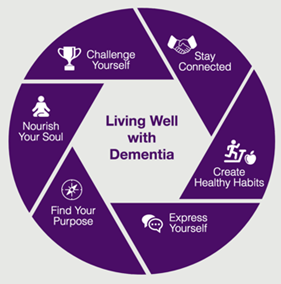
Educating yourself about Alzheimer's or another type of dementia may help you:
- Accept your diagnosis
- Be an active participant in making your own legal, financial and long-term care plans
- Reevaluate your priorities and set goals you would like to accomplish
- Share your diagnosis with others
- Educate others about the disease and reduce stigma
- Discuss available treatments and medications with your doctor
- Recognize the symptoms of the disease so you can adapt to these changes and develop coping strategies
- Build a care team that understands your current and future needs and wishes
- Decide whether to participate in clinical trials
There is a lot of information about dementia available online, and it can be hard to know where to look. Use reputable websites, such as alz.org, for trustworthy information. Always talk to your doctor for medical advice.
Microlearnings: Videos for people living with early-stage dementia
Short videos, called microlearnings, offer practical advice for people living in the early stage of dementia and their care partners. Topics include emotions after a diagnosis and building a care team. In these videos, people living with dementia share their personal experiences. Watch the full playlist on YouTube.
Start learning at your own pace
As you begin learning about your diagnosis, some information may be difficult to deal with — and that's OK. Learn at your own pace and set realistic expectations about the information you can process. Then, return to this site to learn more as often as you need.
These questions may help you prepare to learn about Alzheimer's and dementia:
- What are the most important questions that I need answered right now?
- How much information can I process emotionally at this time?
- How much do I want to learn about the disease right now?
- What resources are available to help me learn about my diagnosis?
- Are there resources available in my local community? Start your search by using the free Alzheimer’s Association & AARP Community Resource Finder. Find an early-stage program and other resources in your area.
Alzheimer's Association resources
- On our website, you may want to start with these pages: What is Alzheimer's?, What is Dementia?, Stages of Alzheimer's and Brain Tour.
- Call the free 24/7 Helpline (800.272.3900) to talk to a dementia expert. Get confidential support, crisis assistance, local resources and information.
- Engage with others living with dementia through ALZConnected®, our online networking community. Check out the "I Have Alzheimer’s" or "Younger-Onset Alzheimer’s Disease" message boards.
- Participate in support groups designed specifically for individuals in the early stage. You can also find early-stage social engagement programs.
- Take our free, online workshop Living with Alzheimer's: For People with Alzheimer's. It covers what you need to know, plan and do.
- Use the Alzheimer’s Association & AARP Community Resource Finder to search and learn about local services, such as care and living options.
- Connect with your local Alzheimer's Association chapter to learn more about support programs available to you.
Next: Just Diagnosed

Connect with others in our online community.
Join ALZConnected
Call our 24/7 Helpline anytime: 800.272.3900.
Learn More