Caregiver Stress
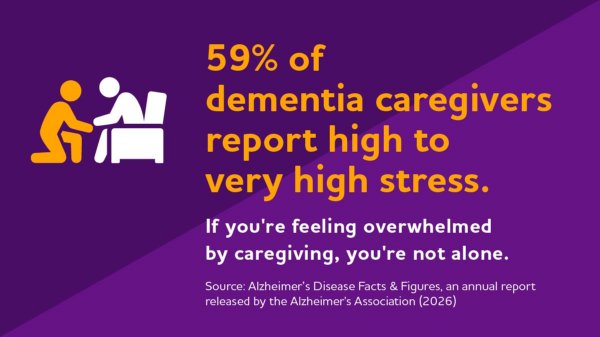
Alzheimer's caregivers frequently report experiencing high levels of stress. It can be overwhelming to take care of a loved one with Alzheimer's or other dementia, but too much stress can be harmful to both of you. Learn about symptoms and ways to avoid burnout as a dementia caregiver.
-
 Denial about the disease and its effect on the person who has been diagnosed. ("I know Mom is going to get better.")
 -
Anger at the person with Alzheimer’s or frustration that he or she can’t do the things they used to be able to do. ("He knows how to get dressed, he’s just being stubborn.")
-
Social withdrawal from friends and activities that used to make you feel good. ("I don’t care about visiting with the neighbors anymore.")
-
Anxiety about the future and facing another day. ("What happens when he needs more care than I can provide?")
-
Depression that breaks your spirit and affects your ability to cope. ("I just don't care anymore.")
-
Exhaustion that makes it nearly impossible to complete necessary daily tasks. ("I'm too tired for this.")
-
Sleeplessness caused by a never-ending list of concerns. ("What if she wanders out of the house or falls and hurts herself?")
-
Irritability that leads to moodiness and triggers negative responses and actions. ("Leave me alone!")
-
Lack of concentration that makes it difficult to perform familiar tasks. ("I was so busy, I forgot my appointment.")
-
Health problems that begin to take a mental and physical toll. ("I can't remember the last time I felt good.")
If you experience any of these signs of stress on a regular basis, make time to talk to your doctor. Ignoring symptoms can cause your physical and mental health to decline.
For weekly tips and information, subscribe to E-News
Receive the latest information on Alzheimer's care and support, advances in research, as well as inspirational stories and resources for people living with the disease and their caregivers.
Caregiver stress check: Resources to help avoid burnout
Use this caregiver assessment tool to check in with yourself. Understanding how you feel can help you avoid burnout and make changes to support your well-being.
Think about your answers to the five questions below or write your responses in a journal. Or, you can use these questions as conversation starters with a family member, friend or another caregiver.
1. Are you able to find time for things that make you feel fulfilled, like socializing with friends or engaging in activities you enjoy?
-
Social and leisure activities are often the first things caregivers give up, yet they are vital to maintaining your mental and emotional well-being.
-
Schedule time for yourself with respite care. Respite care provides caregivers with a temporary rest from caregiving, while the person living with dementia continues to receive care in a safe environment. Respite care gives you time to connect with friends and family, handle household tasks, run errands such as shopping or going to doctor’s appointments, exercise or manage unexpected situations. Learn more about respite care and how to find services.
-
Use a care team calendar to share responsibilities with family members or friends.
2. Do you take care of your own health? Are you able to eat well, get regular physical activity, and go to doctors' appointments?
-
Caregiving can be physically demanding and cause you to neglect your own health. It's important to take care of yourself, too.
- Find tips for staying healthy as a caregiver. Visit your doctor regularly. Try to eat well, exercise and get plenty of rest.
-
Watch "ALZ Talks: Caring for Caregivers." In this video, real caregivers share how they find support and include self-care in their lives.
3. How often do you experience feelings of anger, frustration, irritability or anxiety?
-
These are common feelings among dementia caregivers. They can impact your emotional well-being and your relationship with the person living with dementia.
-
Many caregivers also experience depression, which is different from stress. Learn about the symptoms of depression and what help is available.
-
Use relaxation techniques, such as meditation or breathing exercises, to help relieve stress. Try more than one to find which works best for you. Explore different relaxation techniques on the Mayo Clinic website.
4. Do you frequently worry about finances and planning for the future?
-
Having a plan in place can ease some of that worry. Find guidance on financial and legal planning for caregivers.
-
The Alzheimer's Association offers free educational programs that you can take at home when it's convenient for you. Learning more about what to expect can help you prepare for the future.
5. Do you have a support network you can call on in times of need, or just to talk?
- Help is available. The Alzheimer's Association 24/7 Helpline offers local resources, crisis assistance and emotional support. Call us any time, day or night, at 800.272.3900. No situation is too big or too small.
- Find a support group near you for connection and guidance. In-person and virtual options are available.
- It can help to connect with other caregivers who relate to your experience. For support, encouragement, and conversations with other caregivers, join our online community, ALZConnected.
- Medicare's GUIDE (Guiding an Improved Dementia Experience) Model provides support for people living with dementia and their caregivers. Learn more about GUIDE and eligibility for free dementia care navigation services.
Recognizing the value of self-care
"Being a care partner doesn't mean carrying the weight alone. There's a powerful support system available — especially through the Alzheimer's Association — that offers guidance, resources and community. I also have learned to recognize the value of self-care. When I take time to recharge, I can show up for Kerry with the love, patience and resilience she deserves."

— Rob, care partner to his wife, Kerry, who is living with early-stage Alzheimer's.
This caregiver stress check provides prompts to help caregivers assess their own emotional and physical well-being. It does not offer professional advice or diagnosis. If you have concerns about how stress affects you, please talk to a mental health professional or health care provider.
Related Pages





The Alzheimer’s Association is in your community.
Find Your Local Chapter
Connect with our free, online caregiver community.
Join ALZConnected